
Home Type 2Type 1 Diabetes and Automated Insulin Delivery (AID) Pumps

Type 1 Diabetes and Automated Insulin Delivery (AID) Pumps

by Ginger Vieira
0 comments Donate
Using automated insulin delivery for type 1 diabetes 1440x810

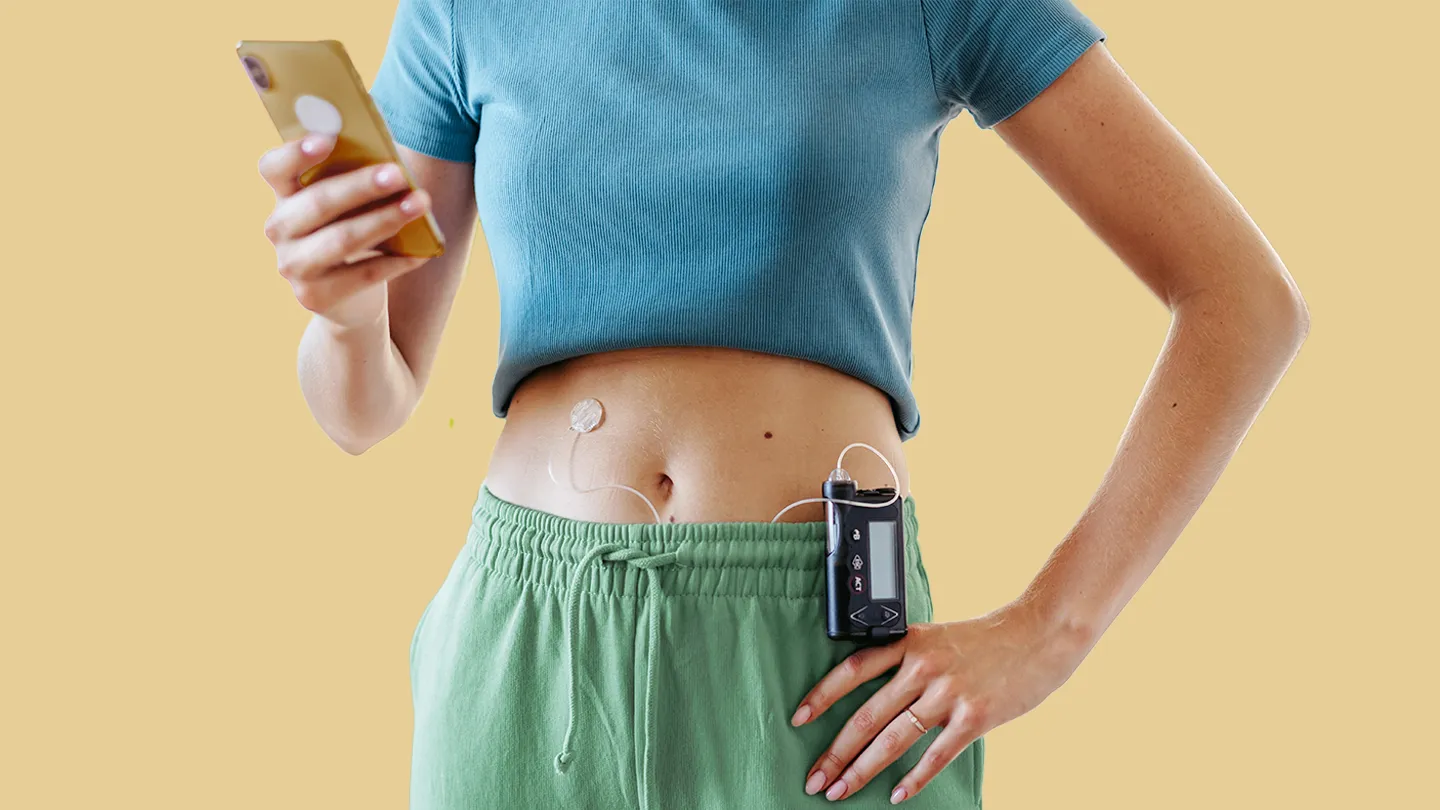
Although AID systems seem to promise almost effortless diabetes management, there can be a learning curve, especially if you’re not already using an insulin pump.

An insulin pump is not a low-risk device, says Sherri Hall, RD, CDCES, a certified pump trainer for Virginia Mason Franciscan Health in Tacoma, Washington. A number of technical issues can cause dangerous malfunctions: For example, the tiny tube that delivers insulin under the skin can become bent, blocked, or disconnected, leading to a risk of diabetic ketoacidosis (DKA).

[11]

“Once they’re on it and they learn how to troubleshoot when things go wrong,” says Hall, “the results are mostly really good. That’s the biggest hurdle: getting through the initial education.”

For people with long-standing diabetes, it may be scary to reduce your own monitoring and to trust an app to manage your blood sugar levels.

“The hardest thing to do is trust the system,” says Thrasher. “You’re asking people with type 1 diabetes to let go of the control they have been so used to over the years, of having to manage diabetes themselves. Giving up that control and letting a system do it for you is something that’s new, and it can be frightening.”

Hall also says some people are simply more ready than others for the complexities of diabetes education and the technology that comes with it.

“Some people are just ready from the moment they are diagnosed to start using a CGM and get on a pump and do what they need to do,” says Hall. “I would say a highly motivated person who wants to learn an AID system is going to learn how to do anything. If you see they have that level of medical literacy, they have support at home, they’re able to troubleshoot and know how to ask for assistance, that’s someone who could definitely get started early on this technology.”

On the other hand, some evidence suggests that the benefits may be greatest for people who have previously been unwilling or unable to achieve their blood sugar targets while making their own insulin dosage decisions. Users with very high A1C levels can experience rapid and impressive improvements while using AID systems, while also enjoying significant relief from the psychosocial burdens of diabetes.

[12]

By the same token, AID systems may be especially beneficial for children and teens who lack the maturity to closely manage their blood sugar levels.

[13]

You may also like

Today’s Diabetes News, your ultimate destination for up-to-date and insightful information on diabetes, health tips, and living a fulfilling life with diabetes. Our mission is to empower and support individuals with diabetes, their loved ones, and the wider community by providing reliable, relevant, and engaging content that fosters a healthier and happier life.

Most Viewed Articles

Latest Articles

Are you sure want to unlock this post?
Unlock left : 0
Are you sure want to cancel subscription?
Show/Hide Player
-
00:00
00:00
Update Required Flash plugin
-
00:00
00:00