
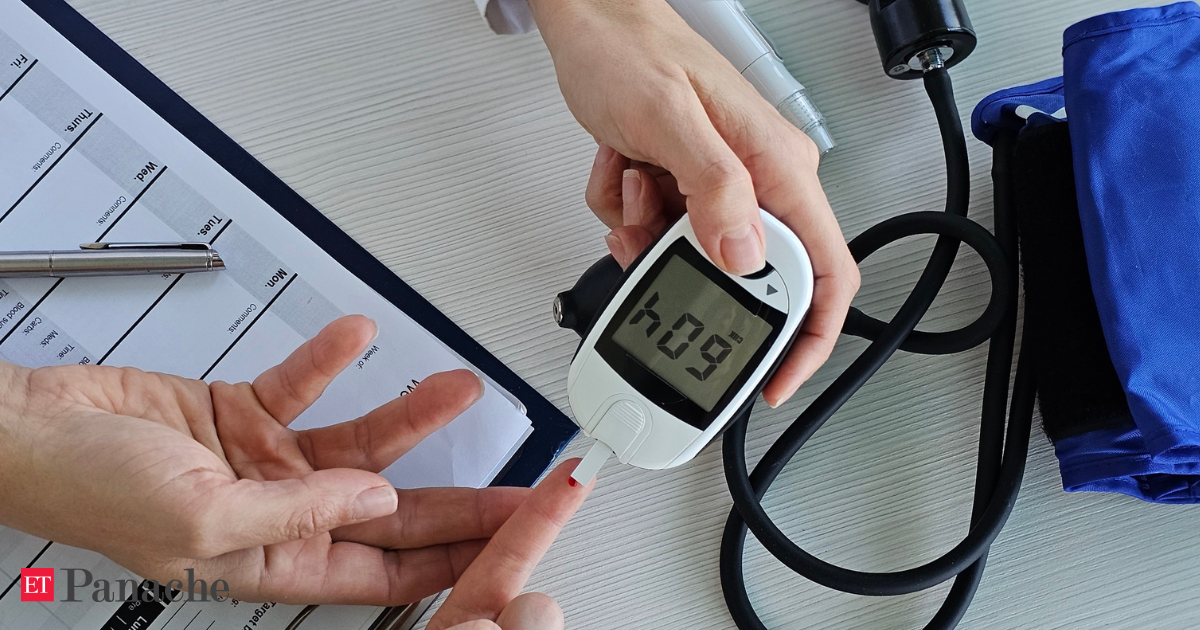
As per a report from The Sun a research by the University of Exeter and Queen Mary University of London, analyzing health data from over 510,000 people, revealed alarming disparities. Men with the deficiency face a 37 percent higher risk of complications including kidney failure, nerve damage, and blindness, as their blood sugar levels may appear deceptively normal.
Who Is Most at Risk?
G6PD deficiency is more prevalent among certain ethnic groups. The study found that one in seven Black men and one in 63 South Asian men carry the gene, compared to fewer than one in 100,000 white men. Yet fewer than two percent of affected men are ever diagnosed, according to Professor Ines Barroso of the University of Exeter. “Doctors and health policy makers need to be aware that the HbA1c test may not be accurate for people with G6PD deficiency,” she said, urging routine screenings to prevent delayed diagnoses.
Dr Veline L’Esperance, a GP and senior clinical research fellow at QMUL, described the findings as “deeply concerning,” emphasizing that widely used diagnostic tools may be failing communities already disproportionately affected by type 2 diabetes.
Symptoms You Should Watch For
Even if tests appear normal, early signs of type 2 diabetes should not be ignored. Common symptoms include frequent urination, constant thirst, fatigue, unexplained weight loss, slow-healing wounds, recurring thrush, and blurred vision. Less common signs include dark skin patches, frequent infections, dry mouth, sweet-smelling breath, irritability, tingling or numbness, and dental issues.