
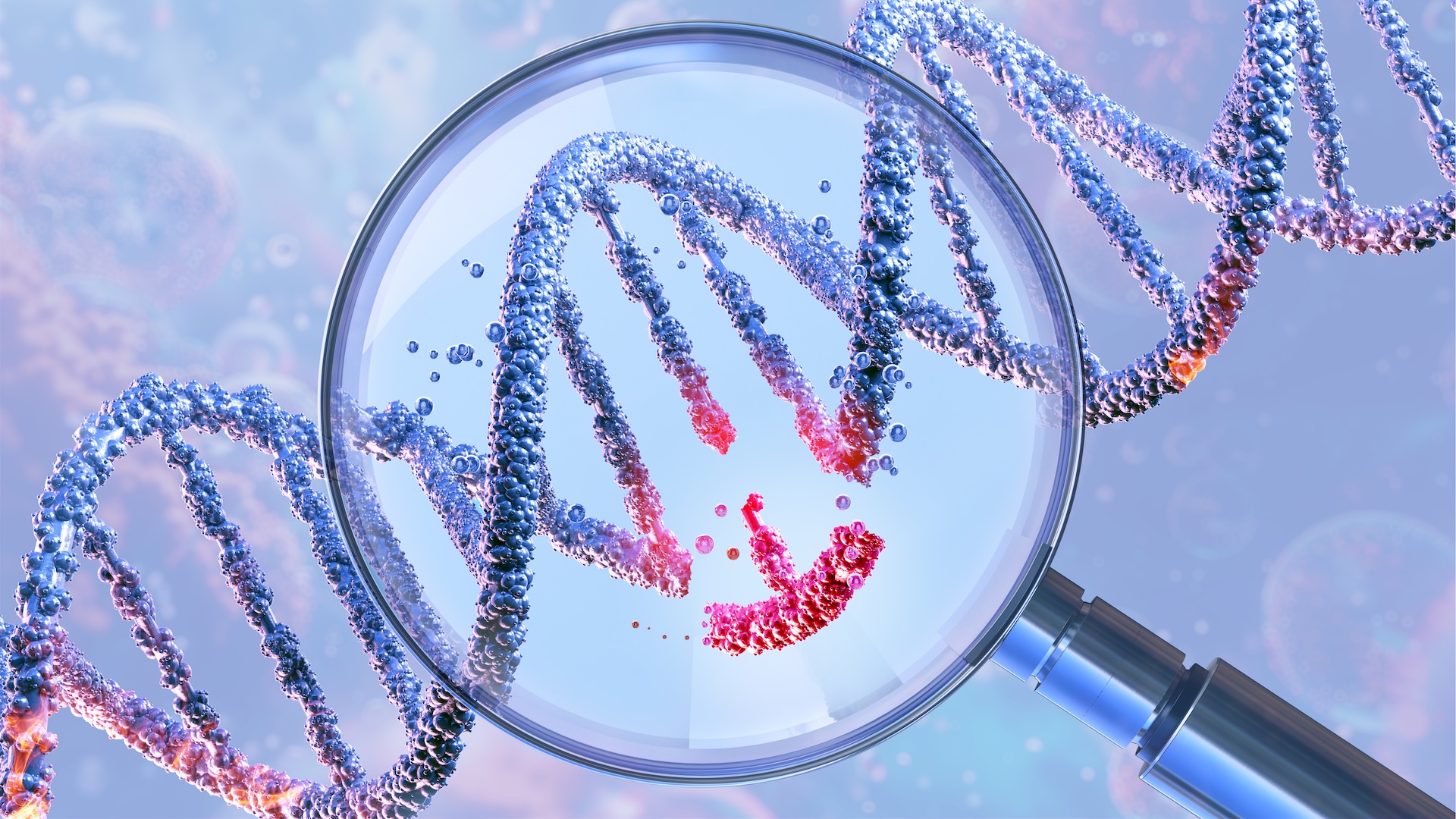
A man with type 1 diabetes became the first patient to produce his own insulin after undergoing genetically engineered cell transplants, without the need for drugs to prevent rejection.
Published this month in the New England Journal of Medicine, the incident illustrates a potential breakthrough in the treatment of diseases affecting 9.5 million people around the world.
Type 1 diabetes occurs when a patient's immune system destroys a special cell called pancreatic islet cells in the pancreas that causes insulin, the hormone that regulates blood glucose levels. This condition can be managed with normal synthetic insulin, but there is no treatment.
You might like it
Islet cell transplantation can provide long-term insulin to patients with type 1 diabetes. However, after receiving a transplant, the patient's immune system recognizes new organs as foreign bodies, causing a response that could destroy the transplanted tissue. As a result, transplant patients will need to take immunosuppressive medications for the rest of their lives, making them more susceptible to infections.
To overcome these hurdles, scientists in Swedish and US transplanted islet cells from the donor's pancreas, which used CRISPR technology to suppress rejection by the recipient's immune system. This is the first time that treatment has been tested in humans.
Related: CRISPR' offers treatments for previously incurable genetic disorders,” says famous biochemist Virginijusšikšnys
Twelve weeks after administering genetically modified cells, the transplant recipient continues to produce insulin without an immune response.
In their paper, the authors wrote that their research suggested that, although preliminary, genetically engineered cells to avoid the recipient's immune system are valuable tools to avoid rejection of new cells or organs by the immune system.
With this new approach, researchers used CRISPR to create three changes to the genetic code of donated cells, making them less likely to cause an immune response.
Two of these edits reduced the level of proteins on the surface of cells signaling leukocytes for whether the cells were abnormal. The third edit helped to produce a protein that discourages attacks from other immune cells called CD47.
Genetically edited cells were then injected into the male forearm. His body left the modified cells alone, and viable cells produced insulin as usual.
Although men are given a low dose of edited cells and require daily insulin treatment, this case suggests that the procedure can be carried out safely.
The next step for researchers is to conduct follow-up studies to see if the cells can survive in the long term. This makes disease management easier and treatment potential. Additionally, further testing should be done to determine whether the approach works in other patients.