
In 1921, just 105 years ago, Frederick Banting and Charles Best discovered insulin while doing research at the University of Toronto. Because of their work, and that of many other scientists, there are 9 million people alive today who would have died of type 1 diabetes. My son Jesse is one of those people.
He was 14 years old when his older sister Naomi took him on a canoe trip on a river near where she lives in Memphis, Tennessee. She called me to say that it was a hot day and he drank all of the water that she had taken on the canoe trip. Then on the ride home, they had to stop every 30 minutes because Jesse had to urinate. At home, I didn’t monitor his water intake or how often he went to the bathroom, so I hadn’t noticed. But his sister did. She knew that something was wrong, so when he got home, I took him to the lab to get his blood drawn. I was shocked when I saw the result of his glucose test. It was 576. Much, much too high. I knew that he had type 1 diabetes.
My first thought was grief, thinking about all of the complications I had seen in my patients with type 1 diabetes — blindness, kidney failure, heart disease, foot amputations and early death. My second thought was relief that he could be treated with insulin. I knew the story about the research that led to the discovery of insulin. Before 1921, every single child or young person with type 1 diabetes died. Their bodies did not produce insulin so they could not utilize glucose and they slowly starved to death.
Thanks to having good medical insurance, Jesse was treated with insulin, first with injections four times a day and then later with a continuous insulin pump. Despite careful monitoring and excellent medical care, he has had many of the complications that I had seen in my patients, but he is alive, has a wonderful family and is the director of a nonprofit organization in Washington, D.C. None of that would have been possible without good medical insurance as well as financial support for the many scientists who have worked over the years to develop the best care possible for people with type 1 diabetes.
Now we are living in a time in our country when financial support for medical research is being cut and medical insurance is being made unaffordable for millions of people. For one of the wealthiest countries in the world, this makes no sense.
Medical research doesn’t just happen. It requires a lot of money to do the work to discover the best treatments for diabetes, cancer, Parkinson’s disease, heart disease, schizophrenia, strokes, seizure disorders, autism and much more. Because there isn’t an immediate financial reward for new discoveries, the research needs to be funded by all of us, the people. We’ve developed institutions like the National Institutes of Health in order to fund the work that eventually results in saving our lives and the lives of our family members, friends and neighbors. Now funding for those institutions is being cut and scientific researchers are being fired.
But even if the research is done and we know how to save lives, that isn’t much good to individual families who can’t afford to pay for treatments that are often very expensive. In the case of my son, the care he needs to stay alive includes insulin, an insulin pump, a glucose monitor, lab tests, hospital care due to complications, other medications and eye injections to prevent blindness. All of this medical care costs tens of thousands of dollars per year, well beyond what any typical family would be able to afford.
Over time, our country adopted a patchwork of private, for-profit insurance plans as well as government-run medical insurance plans like Medicare, as a way to share the burden of the cost of medical care. But this system has resulted in uncontrolled cost and inadequate care, or no care at all, for many who cannot afford the cost of medical insurance.
In an ideal system, we would all pay into one system so that when any one of us needs medical care, the money is there to pay for it. Many countries have figured out how to do this well, using a system of universal health care that doesn’t divert billions of dollars to profit-driven insurance companies, pharmaceutical companies and medical equipment suppliers, but instead puts most of the money directly into the cost of actually taking care of people.
According to the Centers for Medicare & Medicaid Services, we spend nearly $13,000 per person on health care while the United Kingdom spends just $5,387, Canada spends $5,905, France spends $6,115 and Germany spends $7,382 per person. Despite our higher spending, our health outcomes are much worse than these countries.
Bernie Sanders, and others, have proposed reforming our system and creating a Medicare for All system. More than two dozen independent analyses of this type of system done by agencies such as the Congressional Budget Office and the General Accountability Office have found that savings from adopting a single-payer, universal health care system would provide more than enough resources to provide care for everyone with no increase in health care spending.
Our current system is broken. We can do so much better. We need more medical research, not less, and we need a universal health care system so that everyone can afford the care that they and their families need.
I’m glad my son is alive and doing well. I want everyone’s children to be alive and doing well.
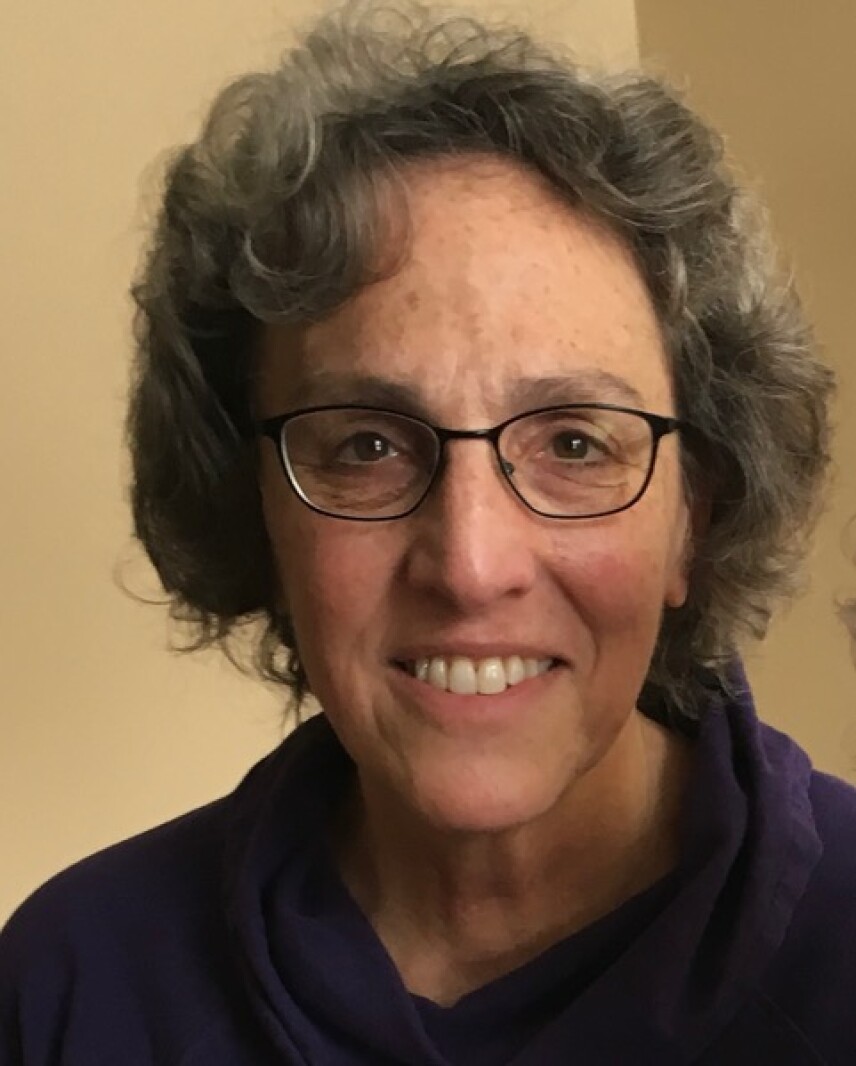
Lois Van Tol, MD, is a retired family physician living in Winona.