
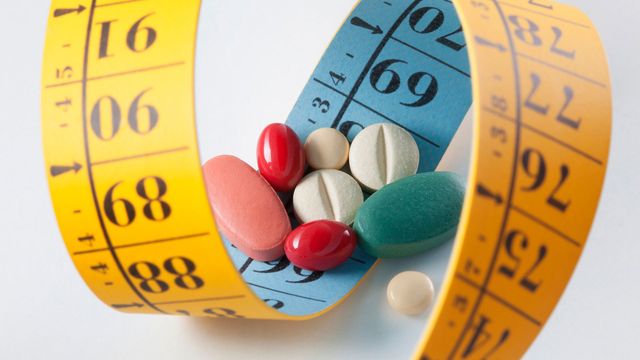
A new oral GLP-1 medication can help adults with obesity and Type 2 diabetes lose more weight and improve their blood sugar levels compared to a placebo, according to findings from the ATTAIN-2 trial led by a UTHealth Houston researcher.
The new medication, a daily oral GLP-1 pill called orforglipron, which can promote weight loss in adults with obesity, demonstrates additional potential for adults who have both obesity and Type 2 diabetes.
The findings were published today in The Lancet.
Obesity is a chronic health condition that can cause serious complications such as Type 2 diabetes, heart disease, high blood pressure, sleep apnea, certain cancers, and more. Current GLP-1 treatments for obesity consist of daily or weekly injectable medications that come with drawbacks, including the need for cold chain distribution and storage, risk of injection site reactions, and needle-related discomfort.
“The opportunity for an oral GLP-1 medication with highly effective weight loss that is simpler to take may provide increased access and opportunities for better health for our patients with obesity and diabetes,” said Deborah Horn, DO, MPH, professor and director of obesity medicine at McGovern Medical School at UTHealth Houston and principal author of the study.
Orforglipron is a small molecule, nonpeptide GLP-1 receptor agonist in pill form that should be taken once a day. The pill stimulates insulin release and reduces glucagon secretion, lowering blood sugar and controlling appetite and food intake. It requires no refrigeration and has no restrictions on the timing of food or water intake.
In previous studiesorforglipron reduced body weight by 12.4% and improved cardiometabolic risk factors after 72 weeks in adults with obesity without diabetes. Researchers then began to investigate these effects in adults with obesity and co-existing Type 2 diabetes.
This trial, ATTAIN-2, was a double-blind 72-week trial in 136 sites across 10 countries. Researchers started 1,613 adults in the trial on 1 mg of orforglipron and increased the dose every four weeks until patients received 6 mg, 12 mg, and 36 mg, while other patients received a placebo. Throughout the study, participants were advised to eat a healthy diet and exercise with the goal of weight loss. This healthy diet is a new and different approach compared to most obesity trials, which usually require a 500-calorie reduced diet. Instead, researchers encouraged participants to manage portion control, avoid skipping meals, and increase protein- and fiber-rich foods; limit saturated fats, added sugar, and salt; and engage in at least 150 minutes of physical activity a week.
After 72 weeks, patients who received up to 6 mg of orforglipron averaged a weight loss of 5.5%, those who received 12 mg averaged 7.8%, and those who received 36 mg averaged 10.5%, while the placebo group averaged just 2.2%. The pill significantly improved blood sugar and caused only mild to moderate gastrointestinal side effects, similar to common doses of injected GLP-1.
“We know it is harder for individuals with diabetes to lose weight. It is exciting to have an oral medication that provides double-digit weight loss, which on average was 23 lbs. Once FDA approved, orforglipron is scheduled to be available in 2026 at a significantly decreased cost compared to current injectables. This could position it to be the ‘metformin’ of obesity and become widely covered by insurance plans, opening the door to treatment for all,” Horn said.
Orforglipron, the easier-to-use alternative to injectable weight-loss and diabetes medications, is a promising new tool with improved convenience for providers and patients.
Reference: Horn DB, Ryan DH, Kis SG, et al. Orforglipron, an oral small-molecule GLP-1 receptor agonist, for the treatment of obesity in people with type 2 diabetes (ATTAIN-2): a phase 3, double-blind, randomised, multicentre, placebo-controlled trial. The Lancet. 2025;0(0). doi: 10.1016/S0140-6736(25)02165-8
This article has been republished from the following materials. Note: material may have been edited for length and content. For further information, please contact the cited source. Our press release publishing policy can be accessed here.