
Credit: Jonathan Borba from Pexels
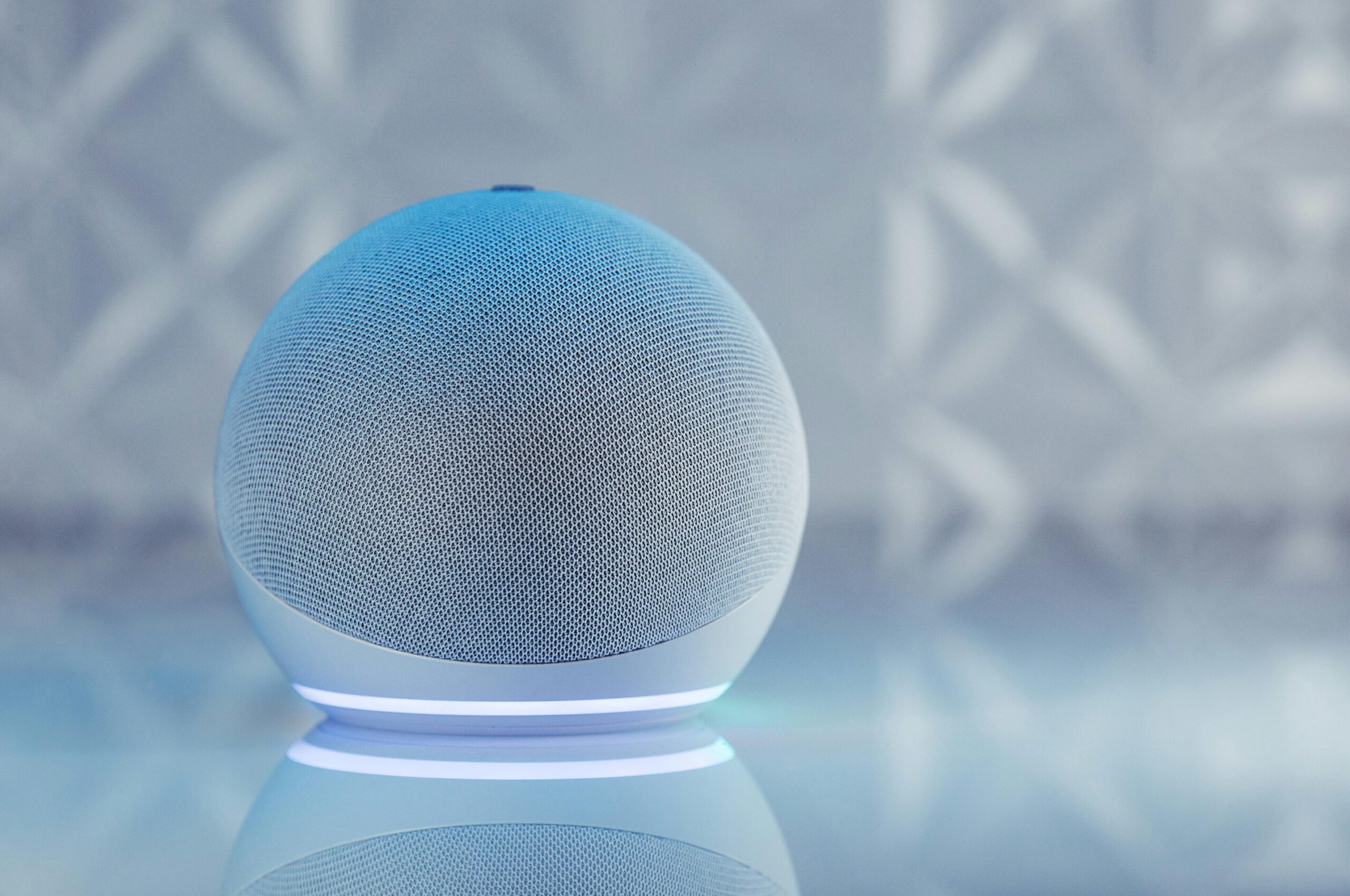
A simple smart speaker may be the latest tool to help seniors with some of the mental and physical challenges of type 2 diabetes. A new study published in JAMA Network Open reports that using an Amazon Echo Dot helped reduce mental distress in older adults with the condition, while also improving their blood sugar levels and quality of life.
Globally, 1 in 5 people aged 65 and over has type 2 diabetes, according to the International Diabetes Federation. In addition to health complications, many experience anxiety, depression or frustration. Other challenges include memory loss that makes it difficult to track medications and frailty that can limit daily activities.
High-tech helper at home
Researchers from the Pontifical Catholic University of Rio Grande do Sul in Brazil wanted to see if a cheap hands-free device could make life easier for senior citizens with the condition. So they set up a 12-week trial with 112 seniors with type 2 diabetes and split them into two groups.
One group was given a smart speaker that was programmed with daily health tips and educational podcasts. It also provided reminders for blood sugar tests and medication. The second group continued their normal routine, but without a smart speaker. However, they were given a health booklet and access to a website with the same health information online.

Credit: JAMA Network Open (2026). DOI: 10.1001/jamanetworkopen.2025.53508
Mental and physical health boost
After 12 weeks, the researchers compared the two groups to see if the technology made a difference. One of the most significant results was the clear boost to mental health. Seniors who used the smart speaker reported a significant reduction in mental distress, meaning fewer symptoms associated with anxiety and depression. They also saw a significant boost in their quality of life.
The researchers suggest these improvements may partly be explained by trial participants feeling a connection with the technology. In fact, nearly 30% of the seniors reported “feelings of humanization” toward the speaker. And because the technology talked to them, they were more likely to take their medication on time and stick to their self-care routines.
There was also an improvement in physical health. Their HbA1c levels, which measure average blood sugar levels over two to three months, dropped by about 0.48%.
These promising results suggest that something as simple as a smart speaker could have significant benefits for seniors with type 2 diabetes, as the researchers note in their study: “This easily implemented self-management intervention could significantly enhance health outcomes in this population.”
While the results are exciting, the researchers point out that additional studies are needed. Their trial was conducted for only 12 weeks at a single center. Research with larger groups will help confirm if the benefits last over time.
Written for you by our author Paul Arnold, edited by Lisa Lock, and fact-checked and reviewed by Robert Egan—this article is the result of careful human work. We rely on readers like you to keep independent science journalism alive.
If this reporting matters to you,
please consider a donation (especially monthly).
You’ll get an ad-free account as a thank-you.
Publication details
Lucas S. Matzenbacher et al, Interactive Virtual Assistant for Health Promotion Among Older Adults With Type 2 Diabetes, JAMA Network Open (2026). DOI: 10.1001/jamanetworkopen.2025.53508
Journal information:
JAMA Network Open
© 2026 Science X Network
Citation:
Smart speaker may improve mental health and blood sugar levels for seniors with type 2 diabetes (2026, January 28)
retrieved 28 January 2026
from https://medicalxpress.com/news/2026-01-smart-speaker-mental-health-blood.html
This document is subject to copyright. Apart from any fair dealing for the purpose of private study or research, no
part may be reproduced without the written permission. The content is provided for information purposes only.