

We have all seen the zero-sugar, diet-branded soft drinks glistening in the fridge and marketed as the savvy choice for cutting calories without sacrificing flavour but what if choosing that “healthier” option quietly carries its own risks? A recent 2025 large Australian study by Monash University, published in Diabetes & Metabolism, tracked more than 36,000 adults over roughly 14 years and found that drinking just one can of an artificially-sweetened soft drink per day was associated with a 38% higher risk of developing type 2 diabetes, compared to very low intake. That risk (38 %) was higher than the 23 % increased risk found among daily consumers of sugar-sweetened soft drinks.What makes this counter-intuitive is that the elevated risk for the “diet” (artificial-sweetener) group remained even after adjusting for body-mass index (BMI) and waist-to-hip ratio. In other words, the association was not simply about weight gain. “Artificial sweeteners are often recommended to people at risk of diabetes as a healthier alternative,” said lead author Prof. Barbora de Courten. “But our results suggest they may pose their own health risks.”
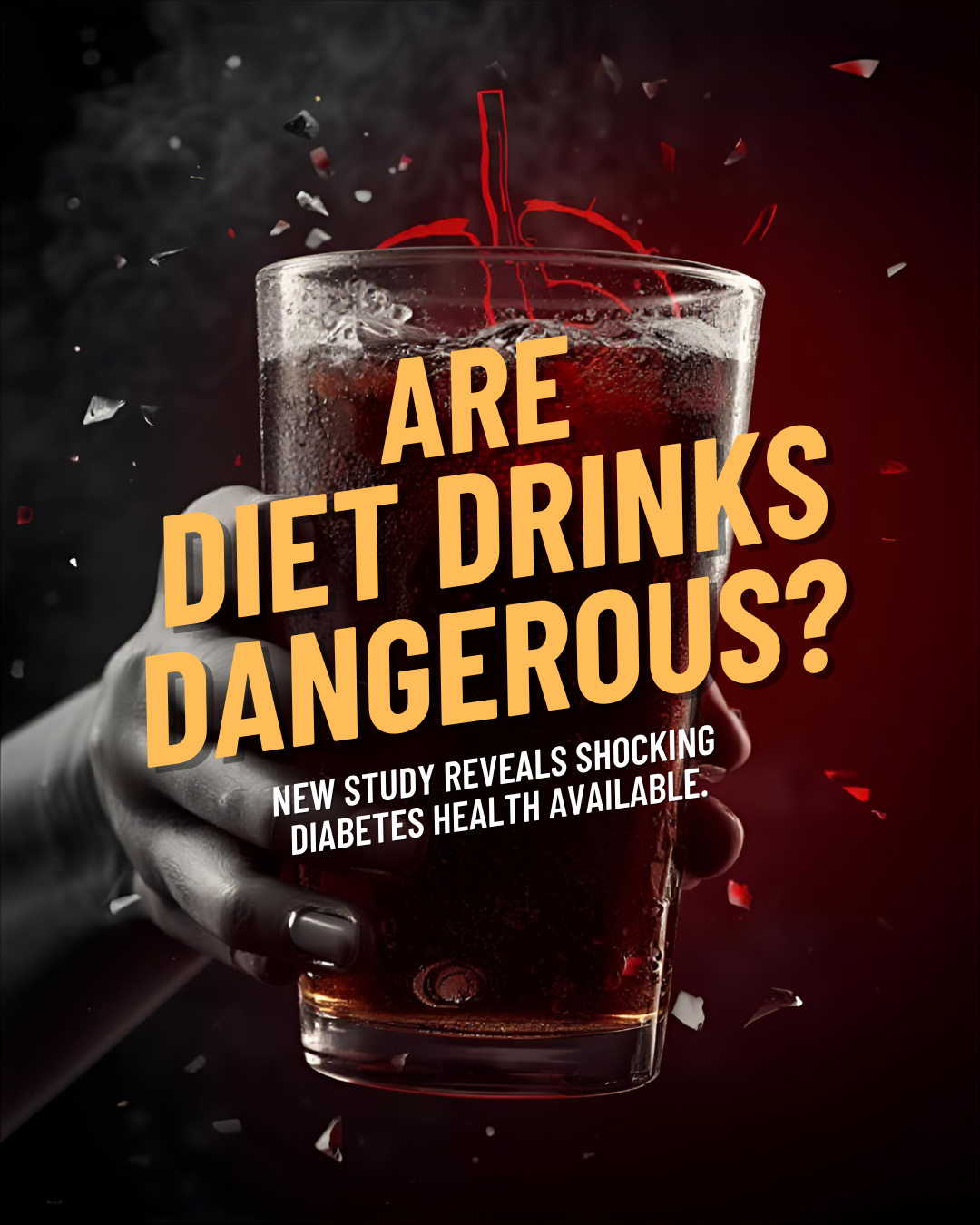
Sugar-Free Isn’t Risk-Free: The Dangerous Diabetes Connection Hidden in Your Diet Drink
The diabetes risk tied to artificially-sweetened beverages appears independent of obesity/weight gain, hinting at potential direct metabolic effects (gut-microbiome disruption, altered glucose handling).
What this means for your lifestyle
If you are choosing diet sodas or artificially-sweetened drinks thinking “at least I’m avoiding sugar,” this study suggests that there is more to the story. Here’s what experts suggest for everyday life –
Bottom line
The observational study could not prove causation, self-reported beverage intake and no data on which exact sweeteners were consumed. It may still be confounded by other lifestyle factors. The authors call for further mechanistic research but the message is simple that switching from sugar to artificial sweeteners is not a guaranteed “health upgrade.” This new long-term research from Australia raises serious questions about whether diet drinks, long seen as the lesser evil, might carry hidden metabolic risk.For a healthier, lower-risk lifestyle, it is wiser to minimise sweetened drinks altogether (even the zero-sugar ones) and make water, unsweetened beverages and whole-food choices your mainstay. Your body, your metabolism and your future self will thank you.Note: The information provided in this article is for educational purposes only and is not intended as medical advice. Always consult with a healthcare professional before starting any new medication or treatment.