
In this week’s issue of The Savvy Diabetic:
Diabetes cell therapy startup gets $79M from Canadian government
Many Older Patients Can Ditch Common Thyroid Drug
Diabetes rates are lower in high-altitude environments
Women’s immune systems bigger age-related changes than men’s
STUDY DISCONTINUE: Diamyd Medical updates
VIDEO: Memory Health in Older Adults with T1D – Nancy Allen, PhD,
GLP-1 agonist drugs … may help fight infections
Layoffs, closures tracker: Hospital Jobs
Meditation changes brain activity quickl, peaks at 7 minutes
Diabetes cell therapy startup gets $79M from Canadian government by Ryan Cross for Endpoints.news, 2 April 2026.
A startup, Aspect Biosystems, has received $79 million from the Canadian government to pursue its stem cell-derived therapy that enables patients to produce their own insulin. The government money comes from the Strategic Response Fund, which aims to help Canadian industries recover from the Trump administration’s tariffs and supports research in areas including biomanufacturing and artificial intelligence.
“This government deal allows us to have the capabilities to go the distance, which is very different than 100 years ago when insulin left Canada and created Novo Nordisk,” Aspect CEO Tamer Mohamed said. Aspect was founded in 2013 based on research from the University of British Columbia. In recent years, the 130-person company has quietly become one of the most well-funded startups working on stem cell-derived therapies. Aspect has raised over $500 million to date.
The company hasn’t divulged many details about its approach. Mohamed said it genetically engineers the cells to hide them from the immune system, which would normally attack the foreign cells. It also uses a bioprinting technology to form tissues from those cells and encapsulate them for further protection. “That gives us the ability to deliver these cells into the body without any immune suppression,” Mohamed said.
Read more: Diabetes cell therapy startup gets $79M from Canadian government
 Under physician supervision, 26% of older adults successfully stopped levothyroxine while maintaining stable thyrotropin and free thyroxine levels for a year. Discontinuation was more common in patients taking lower levothyroxine doses at baseline. Researchers urged clinicians to reassess thyroid therapy in older adults to avoid overtreatment and its associated risks.
Levothyroxine is often continued indefinitely because current guidelines lack deprescribing protocols, according to the study authors. This persists even though hypothyroidism can be transient, with subclinical cases often reverting to normal thyroid function in older adults.
The new findings show that “carefully selected patients aged 60 years or older may not require lifelong levothyroxine treatment and could benefit from a supervised trial of discontinuation, particularly in those taking a dose of 50 µg/d or lower,” said Rosalinde Poortvliet, MD, PhD, of Leiden University Medical Center in the Netherlands.
Levothyroxine ranks in the top three most commonly dispensed medications in the U.S., and older age is a predictor of initiation, noted Maria Papaleontiou, MD, of the University of Michigan in Ann Arbor, and Anne Cappola, MD, of the University of Pennsylvania in Philadelphia. Overtreatment with levothyroxine is a growing concern, with past research linking longer-term use to increased risks for fractures, atrial fibrillation, and cognitive disorders, as well as all-cause and cardiovascular mortality.
 A new study finds that in low-oxygen environments, red blood cells absorb more glucose and convert it into a molecule that helps release oxygen into tissues, revealing an unexpected way the body regulates blood sugar.
Rates of diabetes are lower in high-altitude locations. Now, a new study in mice reveals that red blood cells, which play a pivotal role in transporting oxygen throughout the body, may lower blood sugar by converting glucose into a compound that helps release oxygen into tissues. If the results can be replicated in people, they also hint that drugs in early-stage development could potentially mimic this pathway. “The work highlights the important role that red blood cells can play in diabetes regulation,” study lead author Isha Jain, a biochemist at the Gladstone Institutes and the University of California, San Francisco, told Live Science. “That’s the concept to be targeted in the future.”
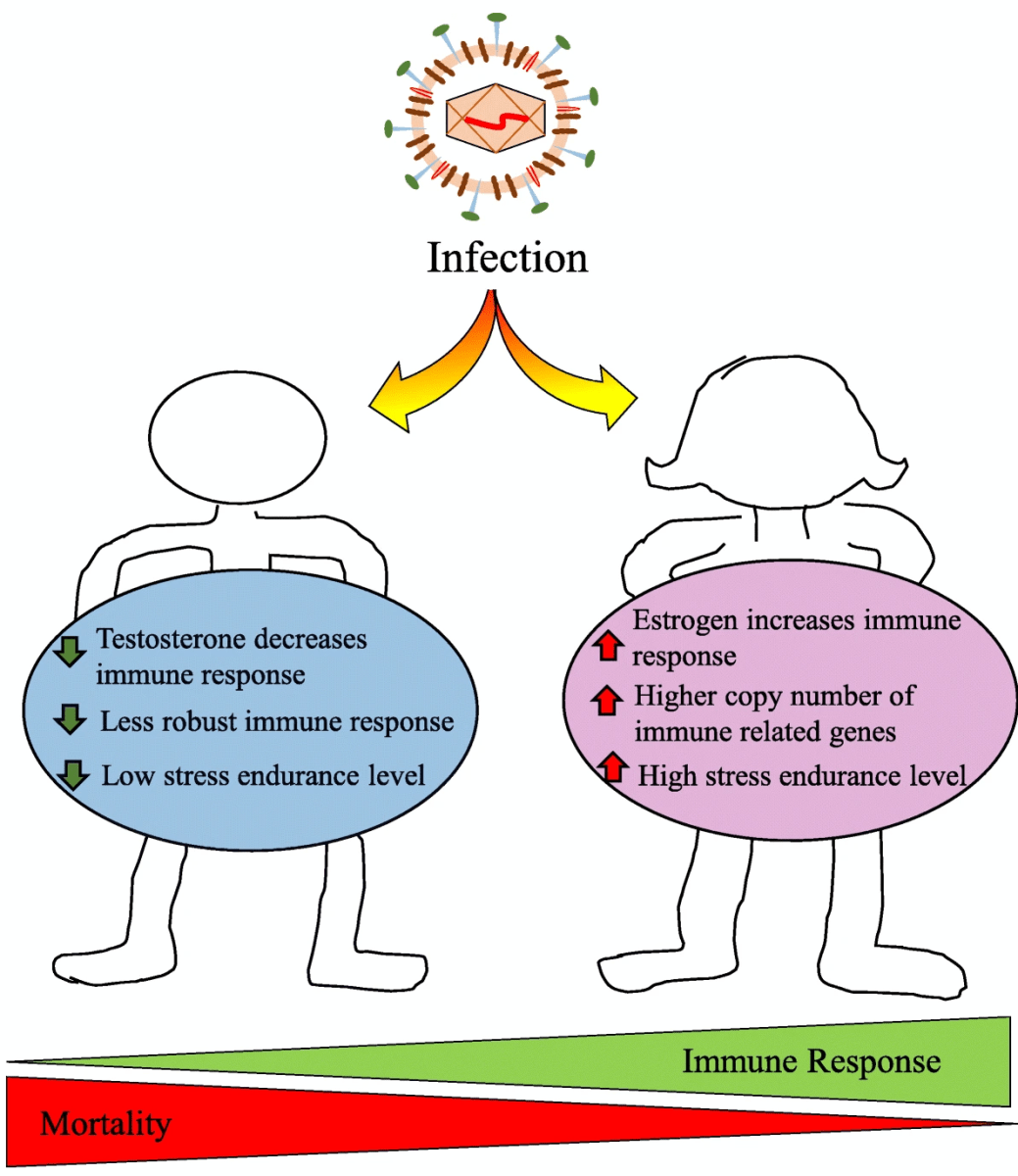
 Statistics show clear differences in the population’s immune system according to sex: men are more susceptible to infections and cancers, while women have stronger immune responses, which translate, for example, into better responses to vaccines. Even so, with a more reactive immune system, the probability of the body attacking itself also increases, causing 80% of autoimmune disease development to occur in women.
Thus, the results reveal that women present more pronounced changes in the immune system with age, with an increase in inflammatory immune cells. This finding could help explain why autoimmune diseases are mainly developed by women, especially at advanced ages, as well as the worsening of certain inflammatory pathologies after menopause.
On the other hand, the changes associated with immune system aging observed in men are globally less extensive, but an increase in certain blood cells presenting pre-leukemia alterations was observed, a fact that could explain why some blood cancers are more frequent in older men.
STUDY DISCONTINUE: Diamyd Medical updates on the interim efficacy analysis of Phase 3 DIAGNODE-3 trial as reported by Diamyd.com, 29 March 2026.
 Due to these unexpected negative results and lack of efficacy in the 174-patient analysis, the study is being discontinued. The trial did not show a statistically significant difference in the preservation of endogenous insulin production (C-peptide) compared with placebo. The results were unexpected and inconsistent with prior positive findings from earlier studies, which had shown promise in a specific genetic subgroup (HLA-DR3/DQ2).
Read more: Diamyd Medical updates
Memory Health in Older Adults with Type 1 Diabetes with Nancy Allen, PhD, Care Clinical Nurse Specialist
Dr. Nancy Allen is a nurse practitioner and researcher with 22 years of clinical experience specializing in diabetes care and cognitive neurology. She earned her Ph.D. from the University of Massachusetts and completed a Post-Doctoral Fellowship at Yale University in Self-Management of Chronic Diseases in Vulnerable Populations. She currently leads a program developing practical tools for older adults with diabetes, including the use of continuous glucose monitoring (CGM) with the Follow app. (Slide deck avaible upon request)
 The review of selected studies on glucagon-like peptide-1 receptor agonists (GLP-1 RAs) examined non-cardiometabolic outcomes, including blood sugar, weight, and heart and kidney health. The search found a strong association between GLP-1 medications and gastrointestinal side effects, including nausea, diarrhea, and vomiting.
However, the researchers also found that drugs might protect against certain serious infections and benefit bone, brain, and lung health. However, further research is required to draw solid conclusions regarding these benefits. The findings are published in JAMA Network Open.
Evidence suggests the drugs may lower the risk of serious infections and support lung health by reducing airway inflammation and oxidative stress. At the same time, the weight loss they trigger can improve conditions such as sleep apnea. There were also indications of possible brain benefits, including protection against dementia through improved blood flow and reduced buildup of harmful proteins. The drugs could also strengthen bones and lower the risk of fractures, though this remains less certain.
Read more: GLP-1 agonist drugs show digestive side effects but may help fight infections
Layoffs, closures tracker: Hospital Jobs by ModernHealthcare.com, 9 April 2026.
 Hospitals nationwide, particularly in California, are experiencing significant layoffs and service closures in 2026, driven by intense financial strain, Medicaid funding cuts, and high operating costs.
According to an article in the Orange County Register (California hospitals laying off thousands as funding cuts trickle down), the main drivers of financial distress include:
Funding Cuts: Sharp declines in Medicaid reimbursement and changes to healthcare funding, particularly impacting hospitals serving low-income populations.
Rising Costs: High labor costs, including premium pay for temporary staffing, combined with inflationary pressures on supplies.
Regulatory Changes: Increased regulatory burdens and changes to Medi-Cal coverage.
Operational Restructuring: Many health systems are consolidating services or eliminating positions to improve long-term efficiency, often shutting down inpatient or specific outpatient services.
Mississippi-based Greenwood Leflore Hospital said it plans to cut 86 employees by April 10. The layoffs affect 46 full-time and 40 part-time employees who work in various areas of the hospital, including several service lines that have closed or are expected to close in the next 15 days, such as its outpatient rehab center, cardiac rehab, after-hours clinic, and wellness center. “Staffing levels and services are being reduced as the hospital prepares for either a transition of operations to a larger health system or a potential closure,” the hospital said in a statement.
UCI Health will lay off about 150 workers, or roughly 1% of its workforce. The organization did not respond to requests for comment about when the cuts will happen and what kinds of roles will be affected.
Blue Shield of California plans to lay off 69 staff members April 8, according to multiple March 13 Worker Adjustment and Retraining Notification filings. “We regularly adjust our staff based on business needs — reducing headcount in some areas and adding in others — while continuing to grow and transform across the organization,” Blue Shield of California said in a statement. The statement did not specify which kinds of positions will be affected but noted they make up less than 1% of the workforce.
Point32Health laid off about 100 employees March 9. The cuts, which represent 2.3% of the company’s workforce, were part of a restructuring effort, Point32Health said. “The organization did not clarify which types of roles were affected. Point32Health cut 254 jobs in October and 110 in March 2025.
Rochester Regional Health System plans to cut fewer than 40 non-clinical positions. Service Employees International Union Local 1199, which represents many of the system’s employees, said the cuts will impact coding staff. “This change completes a transition that began with prior technology and workflow updates and allows us to reduce duplication while maintaining consistency, compliance and access to care,” the system said in a March 5 statement.
Read more: Layoffs, closures tracker
 Meditation is widely recognized for its extensive range of mental and physical health benefits, from reducing stress and anxiety to boosting cognitive and emotional health. What was considered a fringe activity is now a mainstream practice embraced by millions of people around the world. But how long does it take to reap the benefits?
A new study published in the journal Mindfulness reports that the first brainwave changes start at about two to three minutes and peak at around seven minutes. Previous research has told us a lot about where brain activity changes occur (such as the frontal and parietal regions) and which waves are involved (mainly alpha and theta), but one major unknown was how quickly these changes begin. “Our study suggests that the brain’s response to meditation can be rapid and varies with practitioners’ experience, potentially influencing cognitive and emotional processing in significant ways,” commented the team.
The research suggests that even if you lead a busy, high-pressure life, you only need a few minutes to begin seeing measurable brain changes linked to meditation, no matter your experience level or location. “Brief meditation practices” of seven minutes or more—delivered through digital platforms—could offer accessible, effective, and scalable solutions for improving mental well-being.
Read more: Meditation changes brain activity quickly with a noticeable peak at 7 minutes